




Sarcopenia is a growing public health concern that affects 10-20% of older adults in the U.S. For health care providers, recognizing the signs, symptoms, and risk factors is critical to effectively diagnosing and managing this condition. Less than 20% of internists and family medicine physicians report being very familiar with the term sarcopenia, highlighting a significant gap in awareness. Early identification and intervention can help reduce the risk of complications such as frailty, falls, and reduced mobility, ultimately supporting improved quality of life for aging patients. Understanding the prevalence, diagnostic criteria, and evidence-based management strategies for sarcopenia is essential to delivering comprehensive, patient-centered care.
Diagnosing Sarcopenia
In 2016, sarcopenia was assigned an ICD-10 code, M62.84, recognizing it as a soft tissue disorder. This designation helps support medical claims reporting, clinical documentation, and monitoring of treatment outcomes.
 Learn more about Why Sarcopenia Matters and how to diagnose and address sarcopenia with this resource from the HHS Office on Women’s Health.
Resources
The HHS Office on Women's Health has developed a set of resources to support health care providers in recognizing and diagnosing sarcopenia. These resources are for health care providers who work with patients who are living with or at risk of developing sarcopenia.

Recognizing Sarcopenia: Muscle Matters for Your Practice: Access this free continuing medical education (CME) aimed at improving clinicians' ability to identify sarcopenia early in the disease process and effectively manage patients with sarcopenia. This CME is intended for health care providers who work with patients at risk of developing sarcopenia. (This course is no longer eligible for CME credit but may still be accessed for informational or reference purposes.)

Building Strength: A Guide for Prescribing Lifestyle Interventions for Sarcopenia: Access this free CME aimed at strengthening strategies to identify patients at risk for sarcopenia and prescribe lifestyle interventions to improve patients’ quality of life and outcomes. This CME is intended for health care providers involved in the screening and management of sarcopenia in the U.S.

Screening for Sarcopenia Tool (SARC-F Questionnaire): Screening patients for sarcopenia involves assessing the muscle strength necessary to continue performing everyday activities like walking, standing from a seated position, or climbing stairs with ease. To identify and screen for sarcopenia, health care providers can use the SARC-F questionnaire, a 5-question tool for patients to assess the level of difficulty of everyday activities.

Why Sarcopenia Matters: Designed for clinicians, this fact sheet highlights the growing importance of diagnosing and managing sarcopenia to reduce risks like falls, fractures, and hospitalization in aging patients. This fact sheet also includes resources to support early identification, patient education, and clinical management.
Screening for Sarcopenia Video: This video is designed for health care providers to increase their understanding of sarcopenia and learn how to screen for sarcopenia using the SARC-F Questionnaire.
Navigating Menopause, Muscle Loss, and Heart Health Video: What’s the connection between menopause, muscle loss, and heart health? Access this video to better understand how hormonal changes experienced during menopause are related to muscle loss, sarcopenia, and cardiovascular disease.
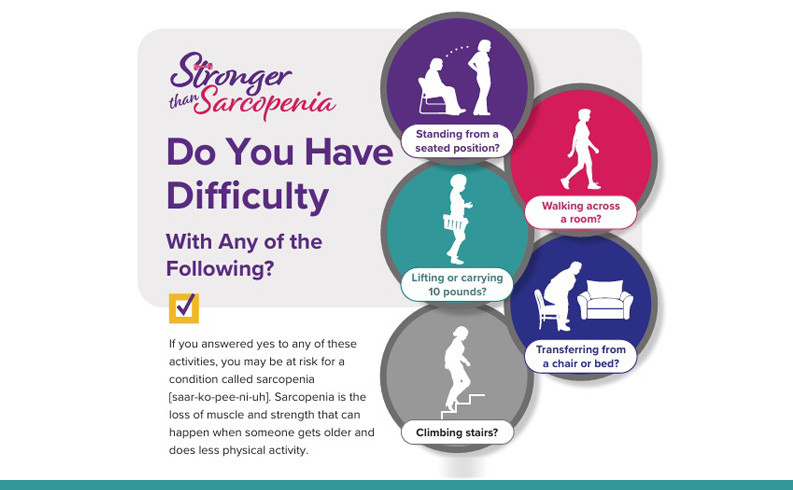
Sarcopenia Exam Room Poster: This printable poster offers a quick overview of sarcopenia and is designed for display in exam rooms, clinics, or community health spaces. Use it to help raise awareness among women who may be at risk and encourage early conversations about muscle health and ways to reduce the risk of sarcopenia.

Conversation Guide for Providers: This conversation guide is a practical tip sheet designed to help health care providers talk with patients about sarcopenia in a supportive, patient-centered way. Access the guide for communication tips, sample conversation starters, and strategies on how to explain sarcopenia, address common concerns, and encourage healthy lifestyle changes that support muscle health and strength.