



What is Sarcopenia?
Starting around age 30, the body naturally begins to lose 3-5% of muscle mass per decade. These changes often become more noticeable by age 60. When the loss of muscle and strength begins to interfere with everyday activities—such as walking, standing up, or carrying groceries—it may be a sign of sarcopenia (saar-ko-pee-nee-uh). Sarcopenia is the gradual loss of muscle and strength that can occur with aging, especially in people who are less physically active.
Who’s At Risk?
Sarcopenia is fairly common. Studies suggest that it affects around 10–20% of older adults, though the real number may be higher because the condition is often underdiagnosed and undertreated. Despite its impact, awareness of sarcopenia remains low, and many people do not know how to recognize or manage it.
Women may be at higher risk of developing sarcopenia due to a variety of factors, including hormonal changes that occur during menopause. Recognizing the signs of sarcopenia and taking steps to address it early are important ways women can help maintain strength, stay independent, and continue performing everyday tasks with ease.
Why It Matters
Several factors can contribute to sarcopenia, including:
- Physical inactivity
- Age-related physical changes in the body
- Lower levels of muscle-building hormones (such as those that decline during menopause)
- Reduced ability to absorb and use protein
Because of these factors, sarcopenia is more likely to affect older adults, people with lower incomes, and those who are underweight or overweight.
Signs and Symptoms
Common symptoms of sarcopenia include falls, muscle weakness, slow walking speed, and difficulty doing everyday activities, such as standing from a chair, twisting the lid off a jar, or carrying groceries. Over time, this loss of strength can lead to decreased independence, more frequent hospital visits, higher health care costs, and a greater risk of falls, fractures, and even death.
Recognizing symptoms early and taking action is important to improve outcomes for people with sarcopenia. When signs of muscle loss are noticed, it is important to speak with a health care provider to explore strategies for maintaining strength and independence.

 Explore the What is Sarcopenia resource from the HHS Office on Women’s Health to learn more about sarcopenia and the common symptoms of the condition.
How to Address Sarcopenia
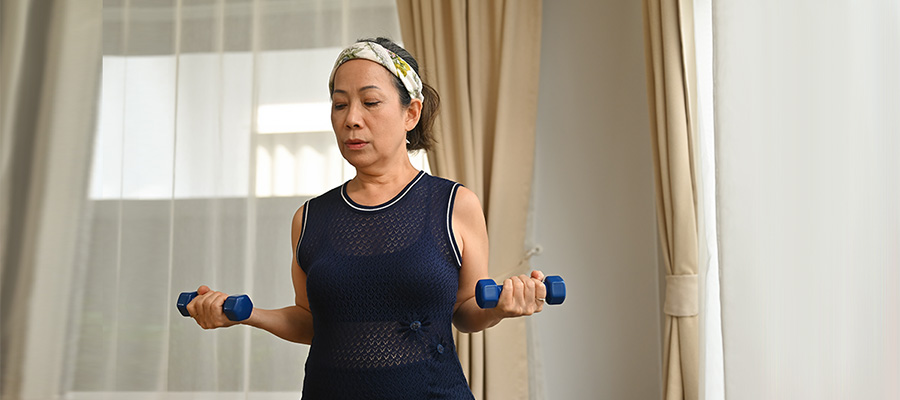
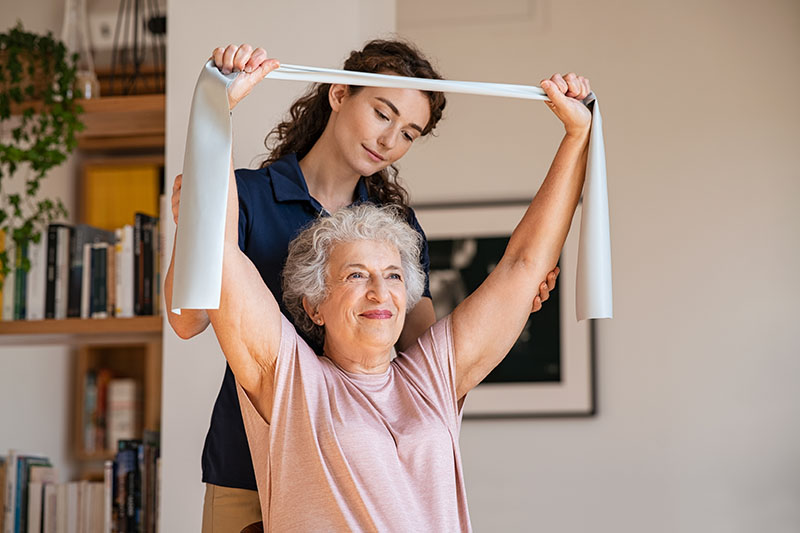
Currently, there is no medication available to treat sarcopenia. However, healthy habits such as physical activity can help rebuild strength, improve muscle mass, and reduce the risk of developing the condition. The combination of strength or resistance training (a form of exercise that involves muscles working against a force, such as weights, resistance bands, or body weight) and a healthy diet is key to increasing strength and energy, improving muscle mass, and maintaining the ability to perform regular activities that are important to quality of life and independence.
While almost any exercise can benefit overall health, strength and resistance exercises are especially helpful for improving muscle mass and reducing the impact of sarcopenia. These types of activities work the muscles by making them contract, helping improve balance, reducing the risk of falls, and supporting independence and confidence.
It is important to talk with a health care provider before starting a new exercise routine, especially for those with existing health conditions.
 Explore the Strength Training at Home resource from the HHS Office on Women’s Health for guidance on safe, at-home strength exercises.
Resources
To support women with or at risk of developing sarcopenia, the HHS Office on Women’s Health developed resources that cover the basics about sarcopenia and common strategies for overcoming or reducing the risk of sarcopenia.

What is Sarcopenia? This fact sheet provides a clear overview of sarcopenia, including its common signs and symptoms, ways to manage the condition, and how to talk with a health care provider about screening. It's a helpful resource for anyone looking to better understand sarcopenia, either for themselves or a loved one.

Ways to Address Sarcopenia: This fact sheet shares practical ways to address sarcopenia through exercise and working with a health care provider. Learn how these strategies can help maintain muscle strength, improve mobility, and support overall well-being with age.
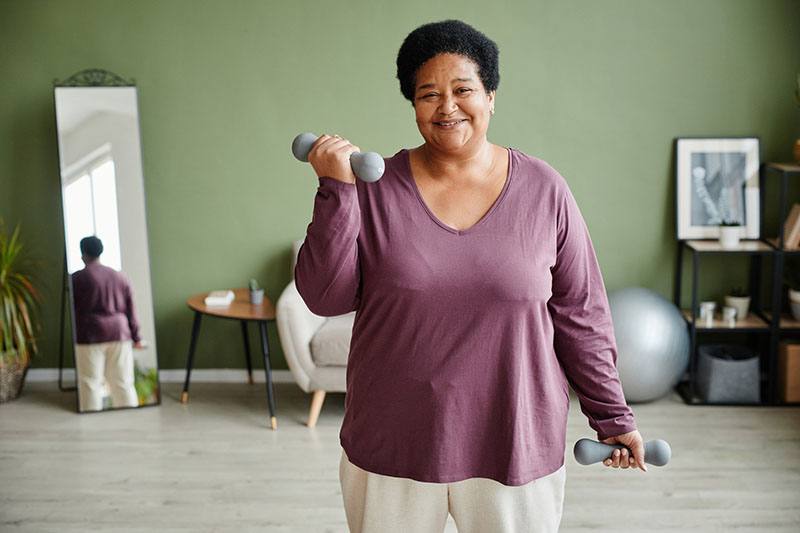
Sarcopenia, Muscle Health, and Reduced Physical Activity: A lack of physical activity and movement is a major contributor to the loss of muscle mass and strength associated with sarcopenia. This fact sheet explains how regular movement and physical activity can help reduce the risk of or manage sarcopenia. Find tips for getting started with new exercise routines and staying active to support muscle health with age.
Sarcopenia and Menopause: Hormonal changes during menopause are a natural part of aging, but they can also increase the risk of sarcopenia. This fact sheet explains how these two conditions are connected and explores practical ways to manage both to maintain strength, mobility, and overall health.
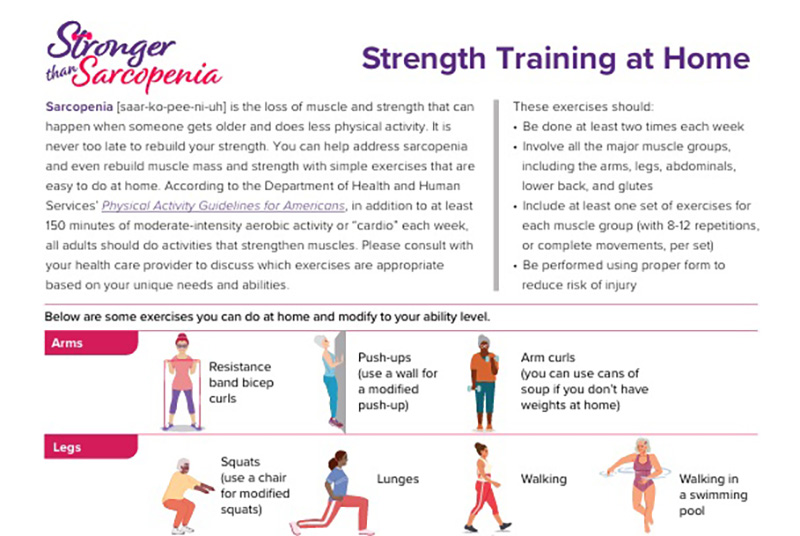
Strength Training at Home: Strength training is one of the most effective ways to manage sarcopenia and stay strong with age. This easy-to-follow infographic features simple exercises that can be done at home to help build muscle and support daily movement.

Conversation Guide for Women: This conversation guide is designed to help women prepare for conversations with their health care provider about muscle health, strength, mobility, and concerns related to sarcopenia. Access this resource for sample conversation starters, guidance on when to talk with a provider about changes in strength or physical function, and practical tips to help women prepare for appointments.